How to Preserve and Share a Family Recipe

How to Preserve and Share Family Recipes

It’s unfortunate when family traditions die, especially when those traditions involve flavorful and delicious recipes that brought loved ones from previous generations together.

A lost family recipe may also be a disservice to foodies who are looking for their next culinary fix. This post will discuss how cookbook makers can preserve family recipes from previous generations for the purpose of their own book creation.

Make Digital Copies of Old Home & Family Recipes

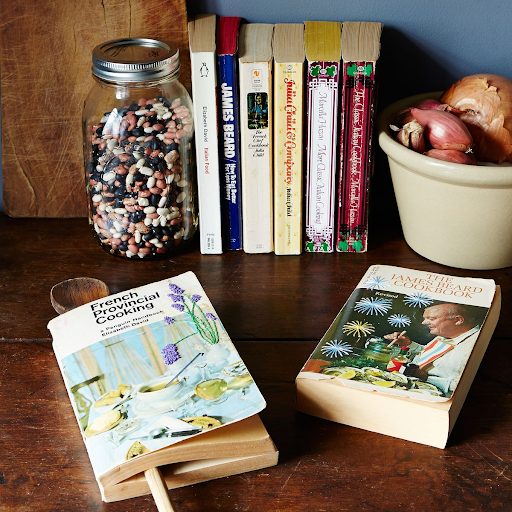
Many of you have nostalgia inherited from your grandparents, which may be tucked away in a basement corner or in the attic somewhere. That may include a box of grandma’s old recipes written on cards. If it’s not her indelibly written recipe notes, you may have an old paperback cookbook that’s collecting dust with its pages turning yellow.

These are culinary goldmines you don’t want to lose!

The simple way to preserve these home and family recipes is to make digital copies of them. You can take pictures of them using your smartphone, tablet or a digital camera. Create folders on your computer or phone to label these recipes using apps such as Google Drive or Dropbox.

Record a Family Recipe on Video

We live in an era where almost nothing can escape the lens of a camera. Of course, there are downsides to this but one of the upsides is that we can preserve our most treasured experiences and ideas. That includes a family recipe.

Whether you’re capturing grandma’s wisdom or creating a new recipe from scratch, you can record the process from start to finish. That may include everything from sorting the ingredients to providing step-by-step instructions on how to prepare it. You can record these videos on your phone or a camera and edit them later, or you can live stream them if you prefer a more spontaneous feel.

What you do with the video afterwards is up to you. It can go up on a YouTube channel or you can save it on your devices and share it mainly with your closest friends and family members.

Preserve a Family Recipe Using Social Media

Maybe you’re a bit of a show-off when it comes to cooking, a stickler for humblebrags. If that’s you, then social media platforms can be a great way to keep home and family recipes preserved. Using social media to collect recipes can do double duty:

  1. It allows you to show off your dishes to the world
  2. Your pictures will serve as a digital catalog that will only disappear if you decide to take them down

One of the best platforms to use for this is Pinterest. You can create pins and pinboards that allow you to post family recipe collections that will be visible for others to see. Pinterest also happens to be a popular destination for other foodies who are looking for culinary inspiration, so you might get quite a few people who repin your creations.

You also can use Instagram to upload your recipes as well, as long as you have high-quality photos and caption-friendly descriptions.

Create a Homemade Recipe Book to Preserve Traditional Dishes

Now we’ve arrived at our favorite method of preserving a family recipe – the creation of a homemade recipe book. All the methods mentioned above are perfectly feasible ways of keeping home and family recipes alive, but the cookbook has some clear advantages.

For one, a cookbook allows you to keep multiple recipes in one “location” – the book itself. Additionally, the cookbook format lets you tie these recipes together with themes, designs, storytelling and other elements that create a more immersive experience.

And it’s never been easier to create a homemade recipe book! For example, Heritage Cookbook can do the heavy lifting of putting the cookbook together for you. All you need to do is:

  1. Sign-up for an account
  2. Choose your bookbinding and design
  3. Create your book by typing or cutting and pasting your recipes, photos and stories
  4. Confirm your order and wait for delivery

You don’t need to run off to a fancy publishing house to make it. We take care of the production and printing work for you!

Pass Home & Family Recipes Down to Future Generations

Many of us are eager to learn about our ancestry and preserve it. We may take DNA tests to unravel our ethnic origins or we may wear traditional garb to show our pride for where we’ve come from.

But preserving home and family recipes is just as important to maintain the family heritage. The dishes that have been passed down from your ancestors should stay with you and be saved for your kids and their kids.

Pride aside, preserving a family recipe can introduce you, your relatives and your friends to flavors and aromas you never knew could be so enjoyable. Why deprive your tastebuds of such culinary bliss because of a lost recipe? It would be a crime!

And if the next generation isn’t into printed books, why not get them an ebook version of your recipe collection? It’s a new way to speak to the next generation in a language they’re sure to understand!

Ready to turn your recipes into something memorable? Click here to get started!
How cookbook creators come up with new recipes

How Cookbook Authors Create New Recipe Books

Where do great recipe book ideas come from? Celebrity chefs seem to pull ideas out of thin air and cook up a storm with ease. Amateur chefs may at times feel uninspired or as if they’re running dry for recipe ideas, which is more discouraging if they’re making a recipe book. However, culinary creativity doesn’t have to feel so painful. We’ll highlight the methods great chefs use to create scrumptious meals, along with practical sources of inspiration for beginners.

Recipe Book Ideas Straight from the Chef’s Mouth

First off, we’re going to tell you what a cook or chef will tell you themselves – there is no single method to create a new recipe. The world’s great culinary masterminds themselves will admit that they look everywhere for ideas. They may pull ideas from their cultural backgrounds, travel experiences, childhood memories, acquired knowledge and much more.

A Shortlist of Cooks’ and Chefs’ Recipe Inspirations

  • Ina Garten – Ina Garten, American author and host of Food Network series, Barefoot Contessa, says that she finds ideas for recipes “everywhere”. She has cited dinner parties, cookbooks and grocery stores as frequent sources of inspiration, referring to the them to keep a “running list of things” she likes to make.
  • Wes Lieberher – An American executive chef by day and a rock star by night, Wesley Lieberher first thinks about foods he loves or grew up with. He then considers how he can make them different, make it unique to him and how he can modify the ingredients of the dish.
  • Hayden Quinn – Mr. Quinn, who has appeared on MasterChef Australia pulls inspiration from research, travels, cookbooks, dining out at different restaurants, and watching food shows.
  • Donna Hay – The Australian food stylist, author and magazine editor is renowned for the simplicity of her recipes. In the past, Donna has stated that she collaborates with her team and as a collective, present ideas they’ve seen in their experiences or travels. She has also mentioned that she tweaks existing recipes that are already in her repertoire.
  • Michael Colameco – A veteran chef, author and personality, Michael Colameco ventures out to restaurants that have great ratings and reviews, to eat for pleasure and research. Doing so fills his palette with new recipe ideas he can replicate and then adapt. He acknowledges that most modern recipes are “compilations” of existing ones.
  • Devin Alexander – Devin Alexander, who has appeared on The Today Show and The Biggest Loser, admits that she will read every word on a menu to internalize the makings of great recipes. She also goes to restaurants to order what she wants to see – not just what she would like to eat. She then makes mental notes on how she can make alterations on exotic dishes to fit her needs or vision. Devin also pulls ideas from food shows on T.V., parties and events where food can be sampled.
  • Tim Maddams – The UK-based chef and TV personality says that great recipe book ideas are all about development. Fittingly, he starts with a dish he’s cooked before anything else. He may then add a garnish he saw on another dish, which often leads to other ingredient ideas popping up his brain for experimentation. Tim admits that these experiments do fail, but they improve as you practice over time. He also emphasizes the importance of networking with other cooks and chefs, eating at their restaurants and even speaking to others online to exchange ideas.

In the culinary book, “Kitchen Creativity: Unlocking Genius – with Wisdom, Inspiration, and Ideas from the World’s Most Creative Chefs”, written by Karen Page, she refers to the three-step process of mastery, alchemy, and creativity. We’ll abbreviate that to MAC. Essentially, MAC goes like this:

  • Mastery – Cook a meal many times without trying to invent anything at first. You will learn the basics in terms of preparation, ingredient use, cooking methods and more.
  • Alchemy – During this stage, you will become more attuned to the science behind a dish. You will know why it tastes better with or without certain ingredients or how altering cook temperature affects its texture.
  • Creativity – Once a dish becomes second-nature, you will have a mental archive of tricks that you can use to alter a dish without sacrificing its essence.

Karen’s model is no different than how a musician, writer or painter becomes a genius. They first imitate the greats, then they innovate by adding their own touches, and finally, they emerge with a completely new style – an invention.

With that said, let’s break down a few methods you can try when making your own recipe book.

Change the Cooking Method, Keep the Dish

When your well of inspiration runs dry, you might simply need to switch up your cooking method instead of looking for new ingredients. Food magazine, Bon Appetit, exemplified this with their Every Way to Cook/Make video series. They display 59 ways to make eggs (video below), 43 ways to cook steak and 63 ways to make potatoes.

You have a barrage of cooking methods at your fingertips: baking, poaching, grilling, pan-frying, pan-searing, broiling, sauteing, simmering and more. Experimenting with varying cooking styles can alter or elevate the sensory appeal run-of-the-mill dish. You can, in effect, create a new recipe without changing a single ingredient!

Trading Places…With Ingredients

Eat the same thing long enough and you’ll get “taste blind”, a sad condition where you no longer appreciate a tasty, aromatic dish. Does that sound familiar? Using the same ingredients over and over again can do that, and you might eventually dislike an otherwise delicious recipe.

A simple fix for such redundancy is to swap out the usual ingredients for substitutes. For example, you can substitute:

  • Spinach for kale
  • Ground turkey for ground beef
  • Cauliflower for bread
  • Honey for sugar
  • Red wine for beef broth

These are just a few ideas you can start with. Make sure to start slow and pace yourself here: begin by swapping out just one ingredient at first. Follow up with a taste test. If it passes, you can think of other ingredients to swap out. It’s just a matter of rinsing and repeating until you arrive at a new version of the original recipe.

Another technique for adapting your ingredients is to take your favourite comfort foods and “adapt” them. You can turn a comfort food that may not be quite healthy and turn it into a hearty dish that’s tasty and nutritious. Or, you could change the form of a comfort food favourite to add variety. Even simply adding a new spice or sauce to an existing comfort food can make it more enjoyable.

Some examples include:

Simply look at your pantry for the items you make comfort foods with, and how you can add a twist – without ruining their taste of course! You might surprise yourself with what you create.

Blending Tastes From Around the Globe

Should you eat Mexican tonight? Or what about Italian? Or Japanese? Sometimes you’d like to have them all but when everyone around you is rolling their eyes at your indecisiveness, you might give in to peer pressure.

Fusion cuisines can fix that; they can even open you up to new recipe ideas altogether.

Fusion cuisine is defined as the “marriage of one or more cooking traditions, techniques or disciplines to form an altogether different approach or finished dish”. That means you can make a dish that incorporates American stylings with Caribbean ingredients, or French cuisine with Spanish cuisine. The options and possibilities are endless.

Examples of Successful Culinary Fusions

Going back to our MAC model mentioned before, it’s vital that you learn how to cook each meal separately before fusing them. Failing to get the essentials of individual cuisines right will likely turn out disastrous when you combine them.

Get Recipe Book Ideas From Food Science

Have you ever heard of edible science?

It’s exactly as it sounds – science experiments you can eat. It’s a popular activity for kids since they can turn things like slime and dough into tasty treats. The practice can be useful for serious cooks and chefs as well. In the culinary world, we’d liken this to food science, which is essentially the study of the nature of foods, food safety and processing and deterioration.

We’ll spare you from the culinary mambo jumbo, but you can try a kitchen experiment to alter the texture, taste and shape of popular foods to give them exciting new twists. It can be a great culinary tactic especially for the creation of desserts.

Examples of edible science foods you can make are:

Food experiments can do double duty for you and your kids. First, they can introduce new characteristics to the foods you already like and make them seem more enjoyable. Second, they’re fun to make, and they’re a great way to get your kids involved in the kitchen.

Recipe Book Ideas Can Be Found Anywhere & Everywhere

Great culinary ideas don’t come from a vacuum. At the opening section, we mentioned a few high-profile chefs who detailed where their ideas come from – many of them build off existing recipes and concepts. Be like them. Instead of stressing out about originality, look at how other master chefs and cooks create their meals and pull inspiration from their works.

You will slowly build a “culinary vocabulary” of sorts, which you can draw from when creating your own dishes. As you embark on your journey of making a recipe book, always keep in mind the words of this often misattributed quote: “Nothing is completely original.”

Need help and inspiration to make your own recipe book? Take a look at our resources page for recipe ideas and tips on how to make a cookbook.

Famous Cookbooks

Famous Cookbooks to Inspire Your Own Custom Cookbook

The decision to create a cookbook can excite you but it can also feel overwhelming. Where do you start? What should it look like and how should it read? Where should your ideas for recipes come from?

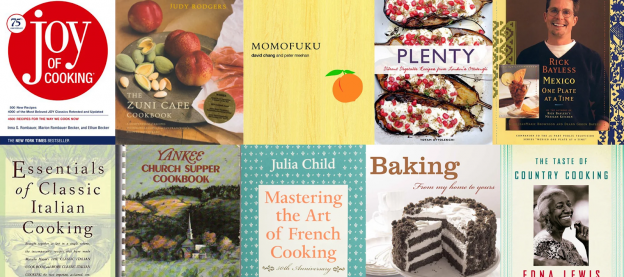
These questions can be answered by simply looking at other cookbooks for inspiration. Let’s look at some of these most successful cookbooks, the characteristics that made them iconic and what recipe makers can learn from them.

1. “The Jemima Code: Two Centuries of African-American Cookbooks” by Toni Tipton-Martin (2015)

The Jemima code by Toni Tipton Martin

Written by Toni Tipton-Martin, The Jemima Code: Two Centuries of African-American Cookbooks, is a culinary catalogue filled with African-American recipes that span multiple generations. It features over 150 African-American cookbooks that date back to the 1800s to more recent works published by authors such as Edna Lewis and Vertamae Grosvenor.

The arrangement of the books are chronological and each one has an illustrated photo of their covers. Many of the selected cookbooks include notes provided by Tipton-Martin about their authors, their contributions to the culinary culture, and the historical significance of each book.

Takeaways: If you want to make your own cookbook, feature recipes that come from your culture or ancestry. Consider adding notes about the creator of a recipe and not just the recipe itself. Also, elevate your cookbook design by adding illustrations to capture the past, especially if you don’t have photos of the recipes themselves.

2. “Mastering the Art of French Cooking” by Julia Child, Simone Beck & Louisette Bertholle

Mastering the art of cooking by Julia Child

Julia Child was a culinary legend with legions of adoring viewers and she made them feel as if they were cooking with her in the kitchen. Her cookbook, “Mastering the Art of French Cooking”, puts her recipes on display – 524 of them – with highly detailed descriptions and instructive illustrations.

The book guides the cook from beginning to end, providing ideas on buying and handling raw ingredients right down to plate decor. The recipes are broken down using logical sequences that are easy to follow, and feature adapted techniques that make French cuisine easy for North Americans to prepare. The book even offers suggestions on food and drink pairings.

Takeaways: Don’t be afraid to hold your audience’s hand. Rather than posting a generic list of ingredients, your cookbook format can feature verbal and visual instructions that spell out the process from start to finish. Trust us – beginner cooks will love the guidance!

3. “The Whole Beast: Nose to Tail Eating” by Fergus Henderson

The Whole Beast Fergus Henderson

This cookbook captures a long-lost tradition – the full-body consumption of an animal. Author and chef, Fergus Henderson, brings the spirit of his London restaurant, St. John, into his cookbook by introducing his innovative take on meat dishes.

The cookbook is a carnivore’s delight, featuring recipes such as Roast Bone Marrow and Rabbit Wrapped in Fennel and Bacon. However, he does include some veggie dishes and desserts as well. The cookbook design and layout features a minimalist writing style paired with crisp photography.

Takeaways: Just like The Whole Beast’s focus on meat dishes, you can center your own cookbook around a theme. That theme could pertain to a certain diet, geographic region or even a food group. Also, if you have good photography skills or even just a folder stocked with high-quality pictures, let your visuals do most of the talking instead of the writing. If you decide to make a visually-oriented cookbook, you can take a look at our free image database to get started.

4. “Modernist Cuisine: The Art and Science of Cooking,” by Nathan Myhrvold, Chris Young, and Maxime Bilet (2011)

Modernist Cuisine

Cooking is both an art and a science, and few cookbooks understand this as well as “Modernist Cuisine: The Art and Science of Cooking.” This cookbook is a 2,438 page extravaganza (divided into five books) filled with kitchen experiments, scientific explanations, and cooking models you’d be hard-pressed to find in your typical Food Network show.

Modernist Cuisine was co-created by a team of chefs, scientists, editors, and writers. It’s a publication for culinary nerds, a chef’s cookbook so-to-speak. Readers can flip through pages and pages of beautifully-rendered illustrations and the brilliant techniques they explain.

Takeaway: If you’ve been praised for the creativity/artistry, bread/depth of knowledge or a unique perspective you bring to the kitchen, consider this as you make your own cookbook. That may include adding twists on familiar recipes or interesting discoveries you’ve made while cooking your favorite cuisines.

5. “Betty Crocker’s Picture Cook Book” by Agnes White Tizard (1950)

Betty Crocker Cookbook Agnes White Tizard

The name is a household one that almost everyone with a kitchen and a pantry will recognize. Even though Betty Crocker is a fictional character created by an ad agency, her influence inspired a generation of chefs and bakers and a legendary cookbook published in the 50s.

This picture cookbook, written by Agnes White Tizard, features a lighthearted mix of practical cooking tips, useful hints and color photography that brought these recipes to light.

The cookbook features just about every recipe you can think of ranging from chicken tomato aspic to steak dinners and more. It also provides insights on how to decorate cakes, tips on rationing meals, setting up kitchen equipment and cooking for parties. The Betty Crocker cookbook is a masterclass in comprehensive kitchen education.

Takeaways: When you make your own recipe book, consider how you can dish out a full-course (excuse the pun) of kitchen education to your audience. If you can prepare recipes, decorate plates, set up the kitchen and provide food storage tips, then add these insights in your cookbook.

The World’s Most Iconic Cookbooks Will Get Your Creative Juices Flowing

To make your own recipe book, you need to be creative, informative and engaging. Nevertheless, you don’t have to pull your ideas from some otherworldly realm – you just have to look at the famous cookbooks that have already been published.

Your goal shouldn’t be to steal what they say or do, but rather, to use the techniques they incorporate and use them as a jumping-off point for inspiration. By doing so, you will find it easy to build the foundation of your own cookbook and fill in its blanks with the recipes you have to offer!

Do you need help finding inspiration for your cookbook? Take a look at our resources page to find everything from new recipes to ideas for making recipe scrapbooks.

60 queries in 0.093 seconds.